Can You See Kiwi in Auckland? Where to Go, Wild or Captive
Yes. Wild brown kiwi live at Tāwharanui, 90 km north of the city. Tiritiri Matangi's kiwi need an overnight stay; the zoo's live in a night house.
You can, in two very different ways. In the city, Auckland Zoo keeps North Island brown kiwi in a nocturnal house that swaps day for night, so you can watch them in the afternoon. In the wild, the place to go is Tāwharanui Regional Park, about 90 km north past Matakana, where about 300 brown kiwi live free and you look for them on foot after dark.
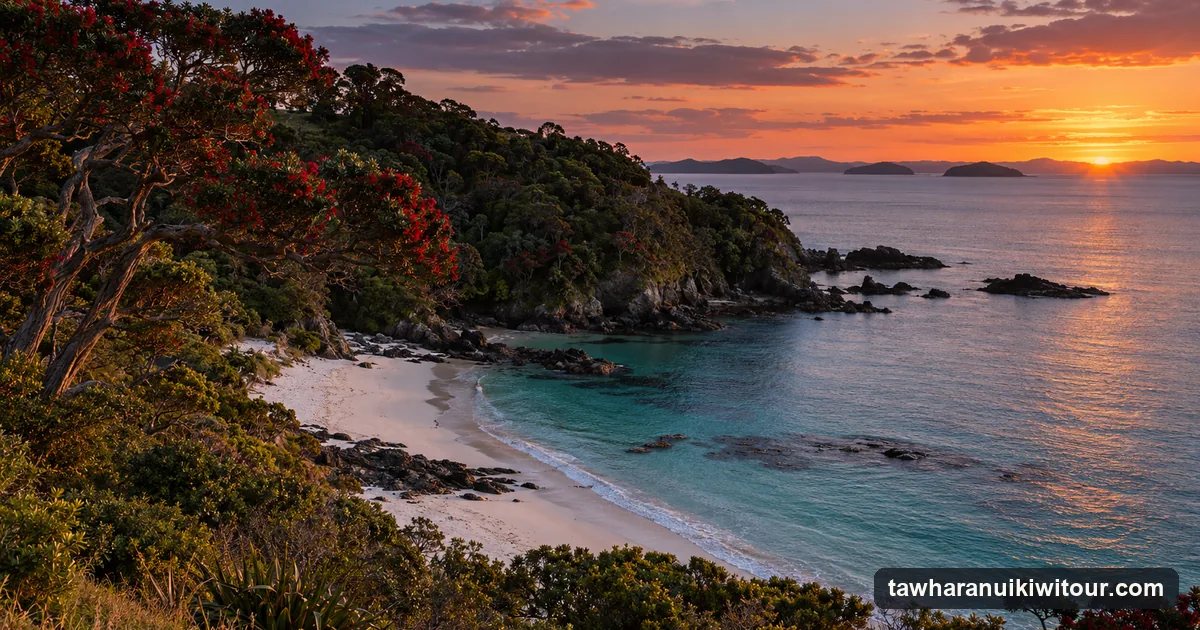
At Tāwharanui the kiwi is free, and so is its decision to show up. For a wild kiwi, the walk we would book is the guided night walk run by Social Nature Movement (SNM), from about $62 on the booking platform when we checked and rated 4.8 over 146 reviews.
Tāwharanui: wild kiwi on the mainland
The kiwi at Tāwharanui are North Island brown kiwi, kiwi nui, from Northland stock. Fifteen young birds raised through Operation Nest Egg were released in November 2006, the first North Island brown kiwi on the Auckland mainland in around 60 years, and 25 more followed in November 2007. Volunteers from the Tāwharanui Open Sanctuary Society count them by their calls each June and now estimate about 300, while warning that the count is not an exact science. Some kiwi have started leaving the park in search of quieter territory.
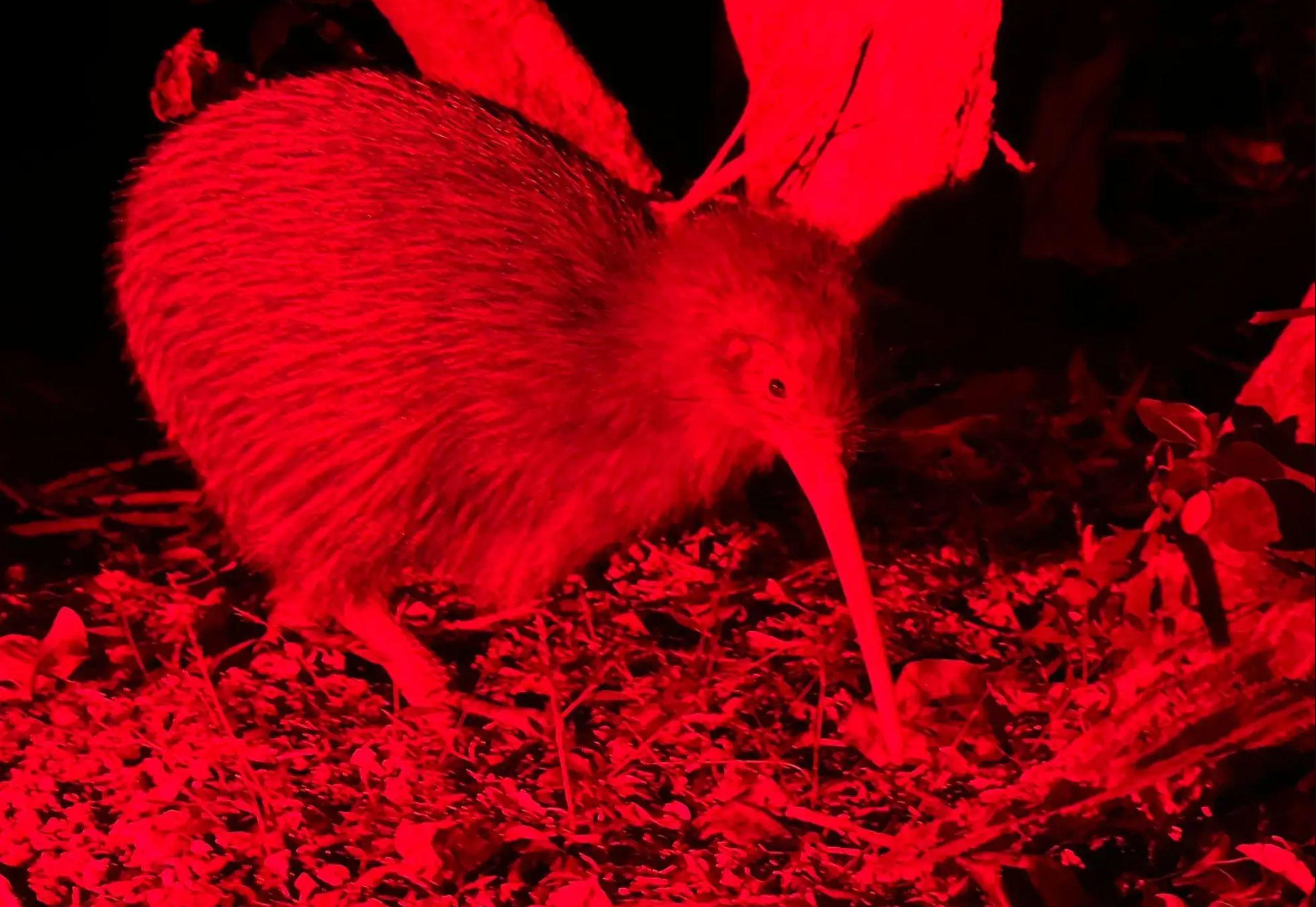
The park is a pest-free open sanctuary behind a 2.5 km predator-proof fence, with farmland, beaches and native bush inside it. Allow an hour and a quarter to an hour and a half each way by road. Kiwi are largely nocturnal, so a visit means a night walk with red torches and no promise of a sighting. Recent reviewers on SNM’s walk saw between one and eleven.
Without a car, you can add SNM’s transport from the Sky Tower at checkout, or book one of the two Auckland and Beyond Limited tours that collect you from your hotel. What happens on a Tāwharanui kiwi walk goes through the night step by step.
For a wild kiwi within reach of the city, this is the trip to make.
See open nights for the kiwi walk
The islands: Tiritiri Matangi, Motuihe, Rotoroa
Tiritiri Matangi is an island sanctuary 4 km off the Whangaparāoa Peninsula. Its kiwi are a different species, little spotted kiwi (kiwi pukupuku), released in 1993 and 1995. Day visitors can see every bird species brought to the island except the kiwi, which come out after the day ferry has gone. To look for them you need one of the 15 bunks in the Department of Conservation (DOC) bunkhouse, the only accommodation on the island, shared with volunteers and researchers. The public ferry runs Wednesday to Sunday, and DOC warns that it can be booked up well in advance from November to April.
Motuihe Island also has a small population of little spotted kiwi. They aren’t seen on day walks, but campers at the DOC campsite can hear them at night. On Rotoroa Island kiwi are rarely seen, and the best chance is an overnight stay.
Shakespear Regional Park
Shakespear, on the Whangaparāoa Peninsula, has been protected by a predator-proof fence since 2011 and received its first little spotted kiwi in April 2017. Around 20 live there now. Visitors sometimes hear their soft calls near Waterfall Gully, which also has glow-worms. Some maps put that gully at Tāwharanui; it belongs to Shakespear.
Captive kiwi: Auckland Zoo and Butterfly Creek
Auckland Zoo keeps several North Island brown kiwi in Te Pō (The Night), a habitat that switches day to night so the birds are active while you visit. It is dark inside, and the zoo says the kiwi can be harder to see, so take your time. Ruru (morepork) share the habitat, and flash photography and video are not allowed. The zoo also supports Operation Nest Egg, the programme that raised Tāwharanui’s founding birds.
Butterfly Creek has a Kiwi Forest, a climate-controlled home for two North Island brown kiwi named Awatiro and Rangipō.
Neither is wild, and neither is sold here. But if seeing a kiwi matters more to you than seeing a wild one, the zoo’s night house is the answer. With young children it is also the easier outing: no late night and no long drive.
Where is the best place to see kiwi in New Zealand?
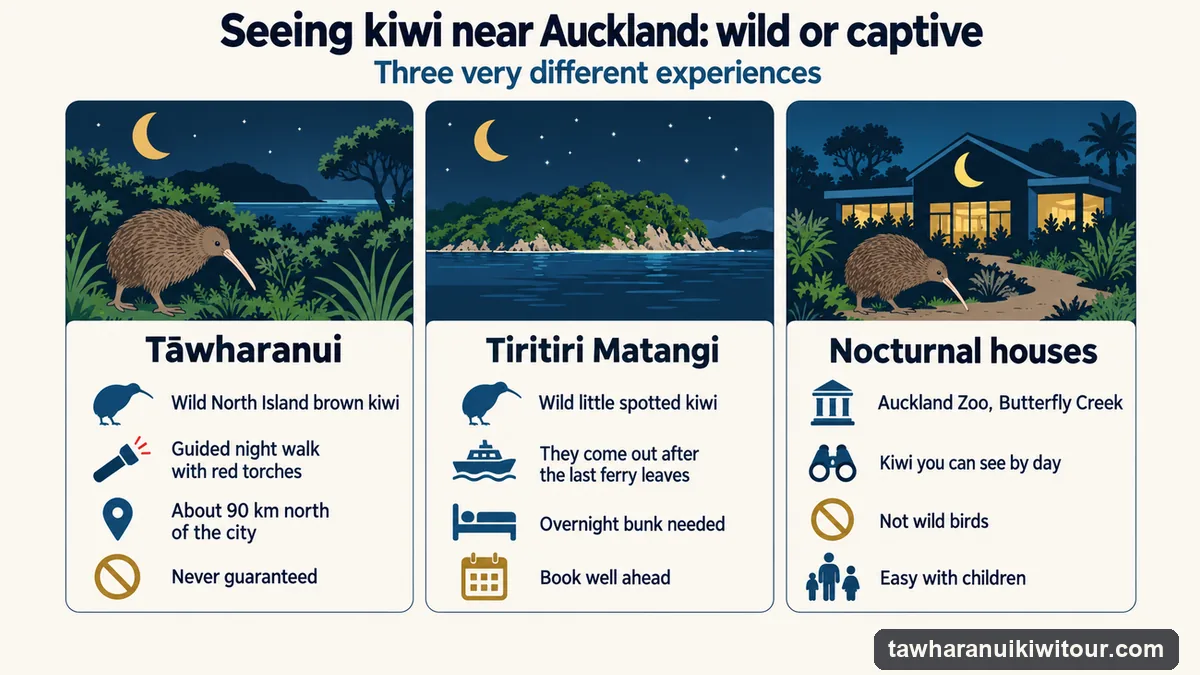
We have only checked the Auckland region, so that is what we can answer for. For a wild bird within a drive of the city, it is Tāwharanui: the kiwi live on the mainland, there are about 300 of them, and you are back in Auckland the same night. For birders who can stay over and want a second species, it is a bunk on Tiritiri Matangi. For a look in daylight, it is a nocturnal house.
Pick by how you travel
SNM's wild kiwi walk
Meet the guide at the car park or ride up from the Sky Tower. Red-light torches supplied.
Check dates →Kiwi Wilderness Experience
Auckland and Beyond drives you up in a van with Wi-Fi and guides the walk. Minimum two guests.
See the van tour →Kiwi walk with dinner
Three courses at Matakana Market Kitchen, then a two-hour guided walk at Tāwharanui.
See the dinner tour →Prices, ratings and review counts from our October 2026 data check; operators use seasonal pricing, so treat them as the shape of the market, not a quote.
When to go is in the best time to see kiwi, and the drive, the gate and the campground are in the Tāwharanui Regional Park guide. Every bookable option is compared on the homepage.
Facts from Auckland Council, DOC, the Tāwharanui Open Sanctuary Society, the Supporters of Tiritiri Matangi, Auckland Zoo, Save the Kiwi and aucklandnz.com; tours from the listings. Checked October 2026.
Book the Tāwharanui Kiwi Walk
Two hours on foot after dark in Tāwharanui's pest-free open sanctuary, with a guide who listens for calls and red-light torches for everyone. Rated 4.8/5 from 146 verified reviews, with free cancellation up to 24 hours before. Meet at the Anchor Bay car park, or add transport from central Auckland when you book. The kiwi are wild, so a sighting is never guaranteed.
Check Availability & Book