When Can You See Kiwi? The Best Time at Tāwharanui
Kiwi are out all year. Moonless nights and the first two hours after dark are best, and drivers must be inside the park gate by 9pm in summer, 7pm in winter.
Any month. Kiwi live at Tāwharanui all year, and Social Nature Movement (SNM) runs its guided walk year-round, weather permitting. The night matters more than the month: Save the Kiwi’s advice for hearing kiwi is a moonless night, in the first two hours after dark or just before dawn.
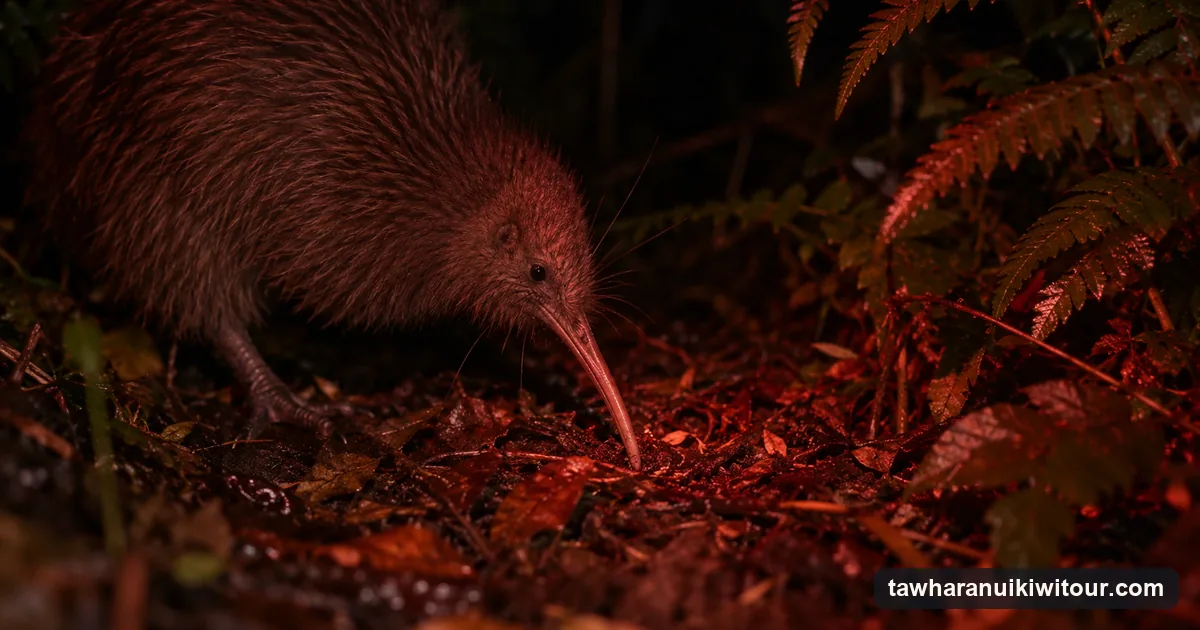
We found no source that ranks the months for sightings, so this page doesn’t either. What changes through the year is how late it gets dark and when the park gate shuts, and those two things shape your evening more than the month does.
SNM’s walk is from about $62 on the booking platform when we checked and rated 4.8 over 146 reviews. Its open nights are below.
Which months?
The kiwi walk runs in every month, and a listing on newzealand.com gives the same answer: all months of the year. The volunteer walks run by the Tāwharanui Open Sanctuary Society follow the dark. On the 2026 timetable they leave at 8:30pm from September to March and at 7:30pm from April to June; the society’s page gives no time for July and August.
That shift is the seasonal difference that matters. In winter it gets dark early, so the walk starts earlier and you are home at a sensible hour. In summer the walk starts later, because it begins once it is properly dark, and a night on SNM’s shuttle ends late. You meet at the Sky Tower an hour and three-quarters before the walk, so allow five to six hours from pick-up to drop-off.
Winter also suits the sky. SNM rates May to September as the best months for its separate stargazing tour.
The moon and the hour
Kiwi are largely nocturnal, and Save the Kiwi’s advice favours the darkest nights for listening. The sanctuary society’s annual count, the source of its estimate of about 300 birds, is held over four nights in a new-moon cycle in early June, with volunteers listening at six sites for two hours a session.
Guided walks start after dusk, which puts you on the track in that first stretch of darkness. If you can choose your date, pick one near the new moon. If you can’t, the walk still runs on any night the weather allows.
SNM times its stargazing nights to the new moon for the same reason. That is a telescope session, not a kiwi walk; kiwi spotting and stargazing explains how the two nights differ.
Can you see kiwi in the daytime?
Not wild ones, as a rule. Kiwi are largely nocturnal, and every walk at Tāwharanui happens after dark. The daytime option is a nocturnal house: Auckland Zoo’s Te Pō switches day and night, so its North Island brown kiwi are active during a daytime visit. Where to see kiwi near Auckland sets it against the wild options.
Weather and cancellation
SNM’s walks do not operate above 10 m/s of wind or 2.4 mm of rain. The society’s volunteer walks are all subject to the weather, and the dinner tour run by Auckland and Beyond Limited refunds in full if the operator cancels for any reason, weather included. Every tour on this site can be cancelled free up to 24 hours before it starts.
So the plan is simple: book the night that suits your trip, watch the forecast, and use the free cancellation if bad weather comes through.
Pick a night for the kiwi walk
The gate: 9pm in summer, 7pm in winter
This is the timing rule that catches drivers. The park’s main gate lets vehicles in from 6am to 9pm during daylight saving, which this season runs from 27 September 2026 to 4 April 2027, and from 6am to 7pm for the rest of the year. The exit opens automatically at any hour, so leaving after a late walk is never a problem. Getting in after closing is: Auckland Council gives no access outside gate hours, and combination codes don’t open the main gate.
Some listings describe the park as open 24 hours. That holds on foot, not for cars.
If you are driving yourself, be inside before the gate shuts, even when the walk starts later, and wait at Anchor Bay. There are no shops near the park, so bring food.
Staying the night
The simplest way around both the gate and the late drive is to sleep at the park. The Council’s campground is open all year, and the Council advises booking early for a summer stay; campers can hear kiwi calling at night. SNM’s kiwi walk also has a glamping option in its own bell tents, with the campsite booked and paid for separately through the Council.
For the walk itself, read what happens on a Tāwharanui kiwi walk. The drive and the rest of the park are in the Tāwharanui Regional Park guide, and the homepage compares every way to book.
Kiwi behaviour from Save the Kiwi; gate hours and camping from Auckland Council; walk times from SNM and the Tāwharanui Open Sanctuary Society; daylight-saving dates from govt.nz. Checked October 2026.
Book the Tāwharanui Kiwi Walk
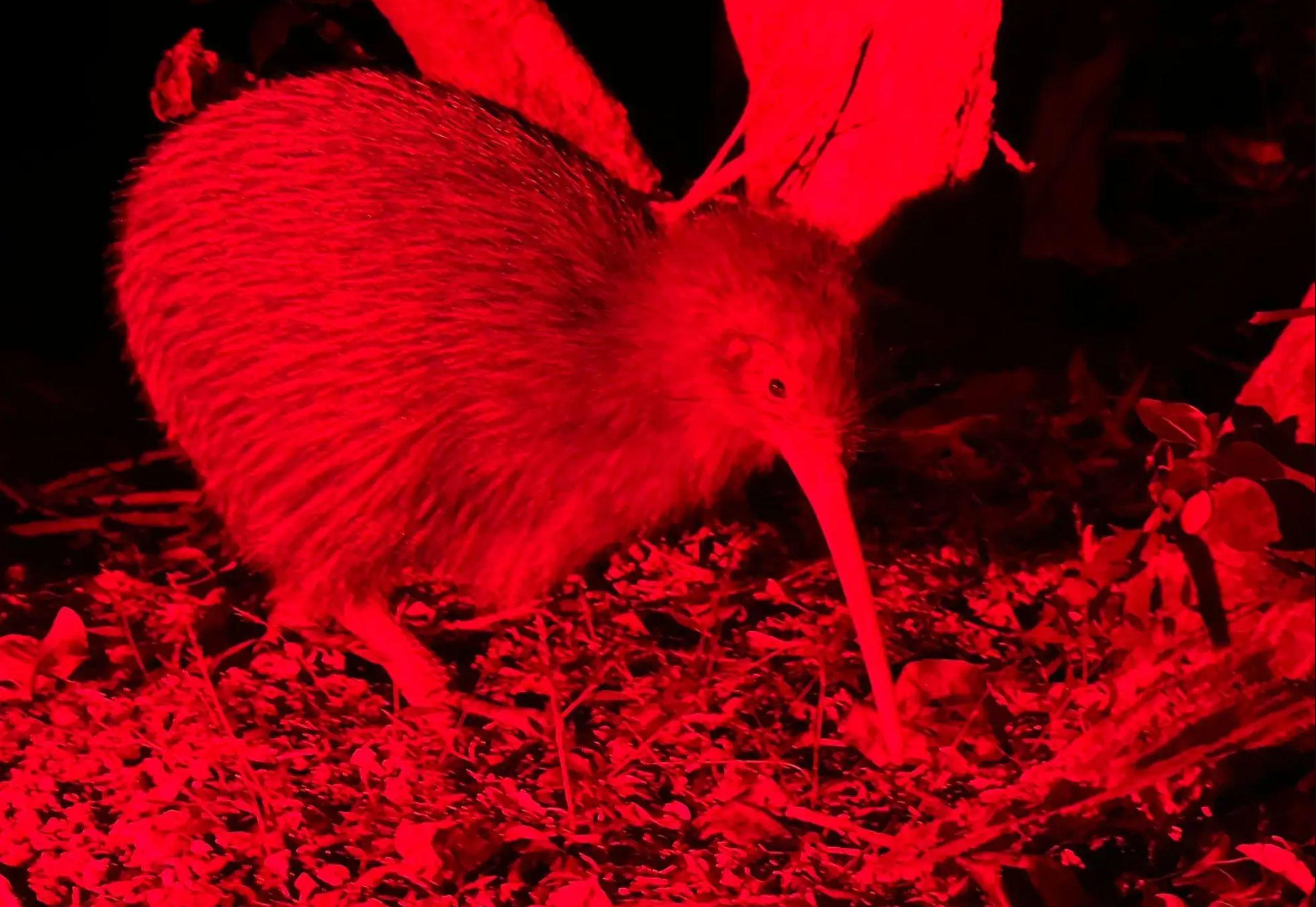
Two hours on foot after dark in Tāwharanui's pest-free open sanctuary, with a guide who listens for calls and red-light torches for everyone. Rated 4.8/5 from 146 verified reviews, with free cancellation up to 24 hours before. Meet at the Anchor Bay car park, or add transport from central Auckland when you book. The kiwi are wild, so a sighting is never guaranteed.
Check Availability & Book