"Great tour. We learned a lot about Auckland, volcanos and Kiwis. We got to see 5 of them. There were even some special moments when two of them were fighting. Ledgend and Chris did a very good job in explaining and finding kiwis! Totally worth it!"
Wild kiwi after dark · 2-hour guided walk · from about $62
About 300 wild North Island brown kiwi live in Tāwharanui Regional Park, 90 km north of Auckland, by the sanctuary society's estimate. Social Nature Movement's guides walk you through it after dark with red-light torches: two hours, from about $62. Nobody can promise you a kiwi.
The Experience
Taken from Social Nature Movement's own listing, not written by us: what the night covers, what the guide brings, and what you arrange or pay for separately, such as transport from Auckland and the campsite.
Good to know: Driving yourself? Be inside the park before the gate shuts: vehicles can enter from 6am to 9pm during daylight saving and from 6am to 7pm the rest of the year, and the exit opens at any hour · No tour can promise a kiwi: recent guests have seen anywhere from one to eleven · The operator does not run the walk in strong wind or heavy rain · Not Included: Extra food and drinks, Campsite booking and fees, Transport (Can be added at checkout)
Four steps, from choosing how you get there to the walk itself, including the gate rule that catches out drivers.
Tāwharanui is about 90 km north of central Auckland, at the end of Takatu Road past Matakana, so allow an hour and a quarter to an hour and a half each way. Drive and meet the guide at the Anchor Bay car park, add Social Nature Movement's transport from the Sky Tower when you book, or let Auckland and Beyond collect you from your hotel, with or without dinner in Matakana.
The park's main gate opens at 6am and closes at 9pm in daylight saving, which runs from 27 September 2026 to 4 April 2027, and at 7pm the rest of the year. Nobody gets in after closing, even with a walk booked for later, but the exit gate opens by itself at any hour. Drivers should arrive in good time and wait at the meeting point.
After a briefing in the car park, the guide leads the group along the tracks as darkness falls, listening for calls and watching for movement. Everyone uses red light, which disturbs kiwi least. No flash, no spotlights, stay on the track, and let the bird decide how close it comes. The operator calls the walking easy to moderate, on formed tracks.
The kiwi are wild, and no operator on this site promises a sighting. In recent reviews of the main walk, guests report anything from one bird, found in the last 20 minutes, to eleven. Social Nature Movement doesn't go out in wind above 10 m/s or rain above 2.4 mm, and every tour here can be cancelled free up to 24 hours ahead.
Photo Gallery
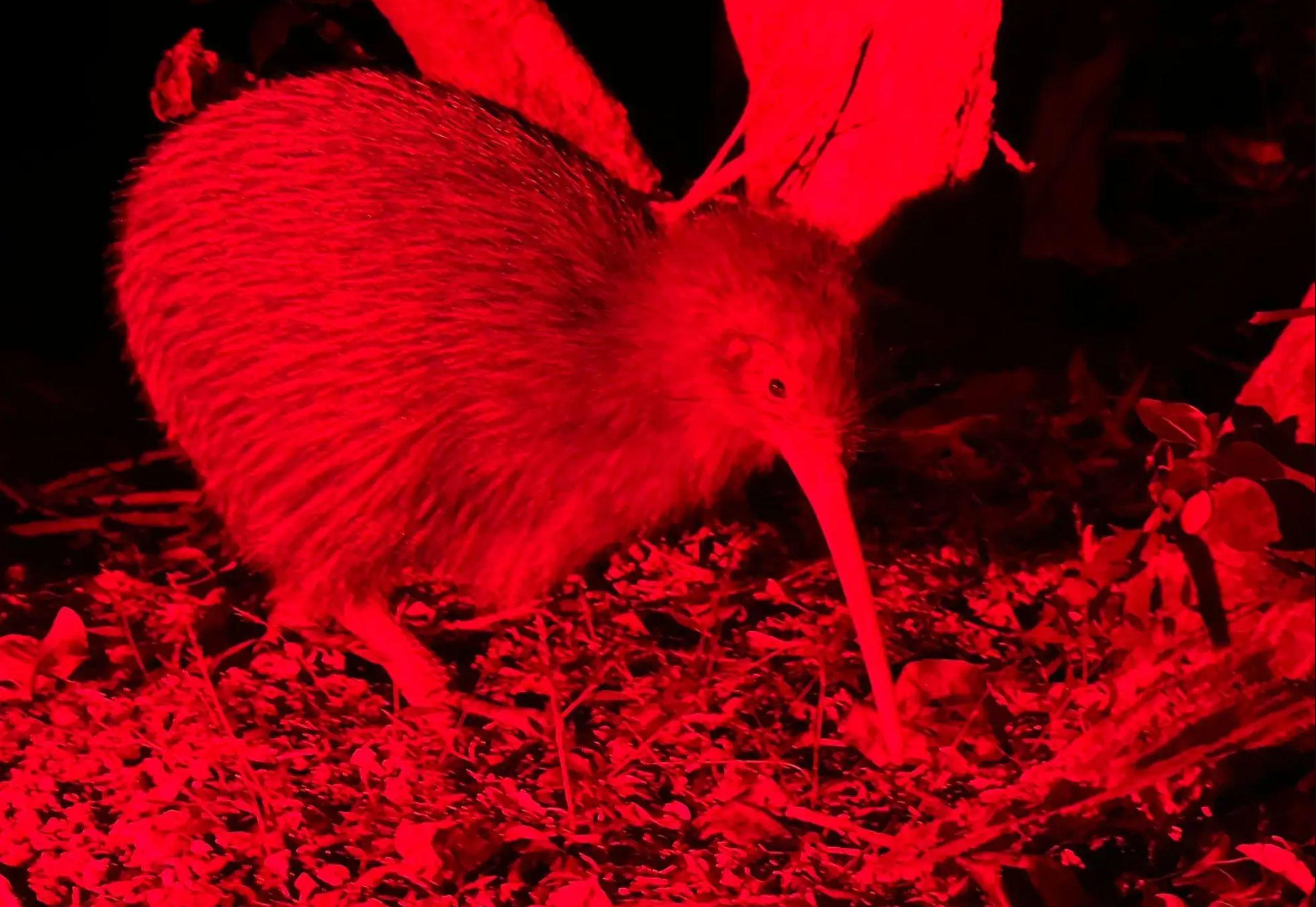
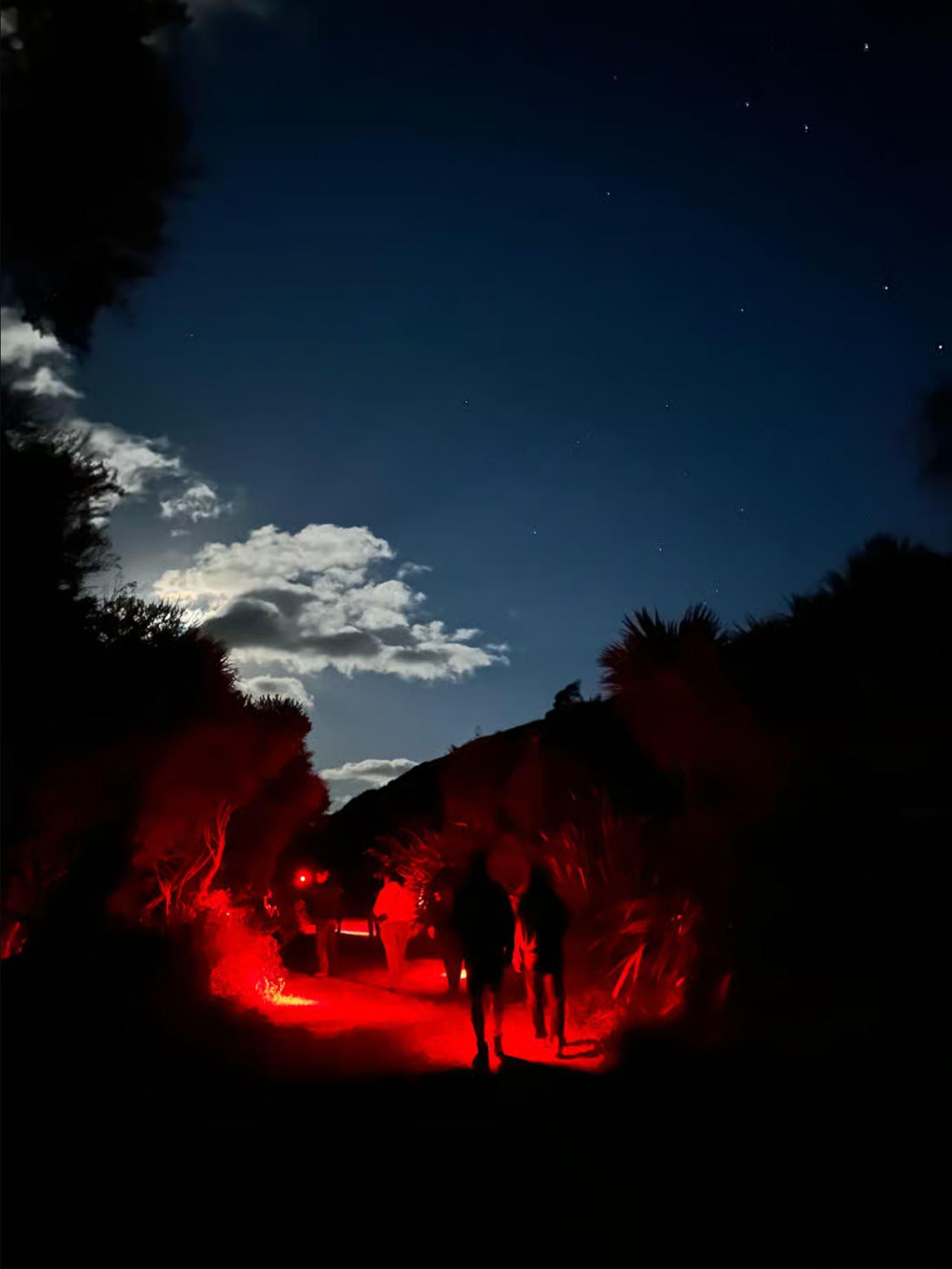
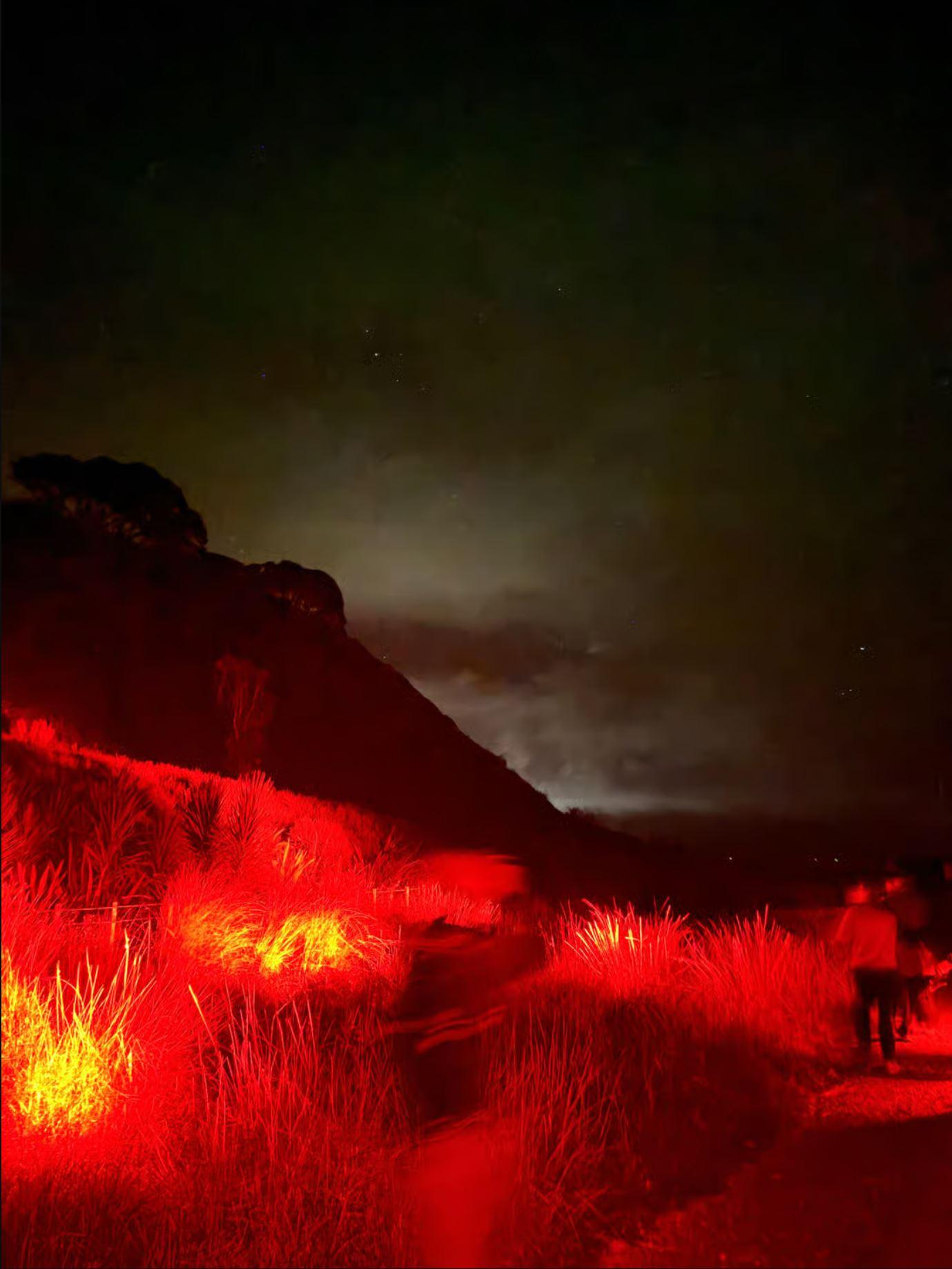
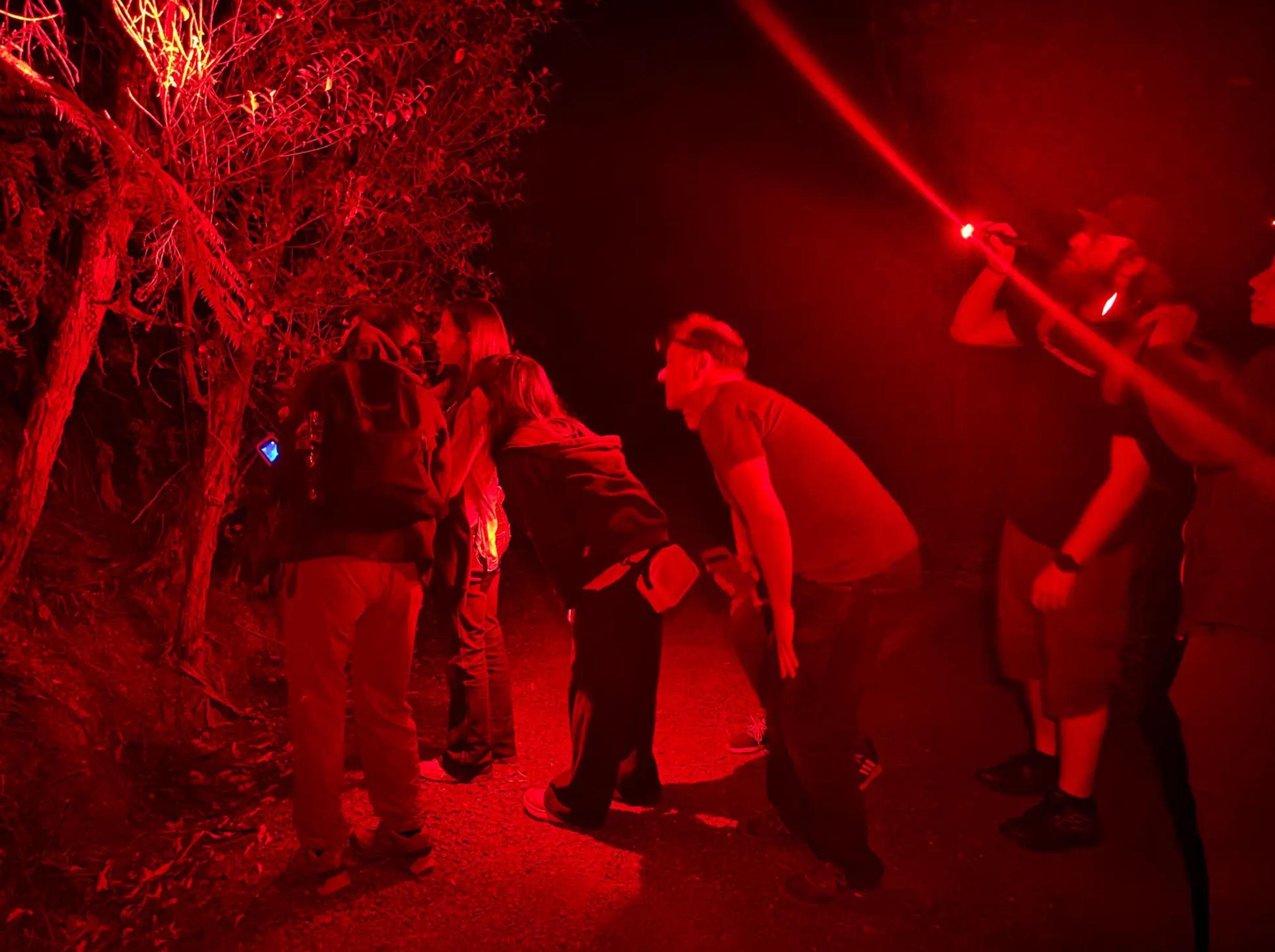
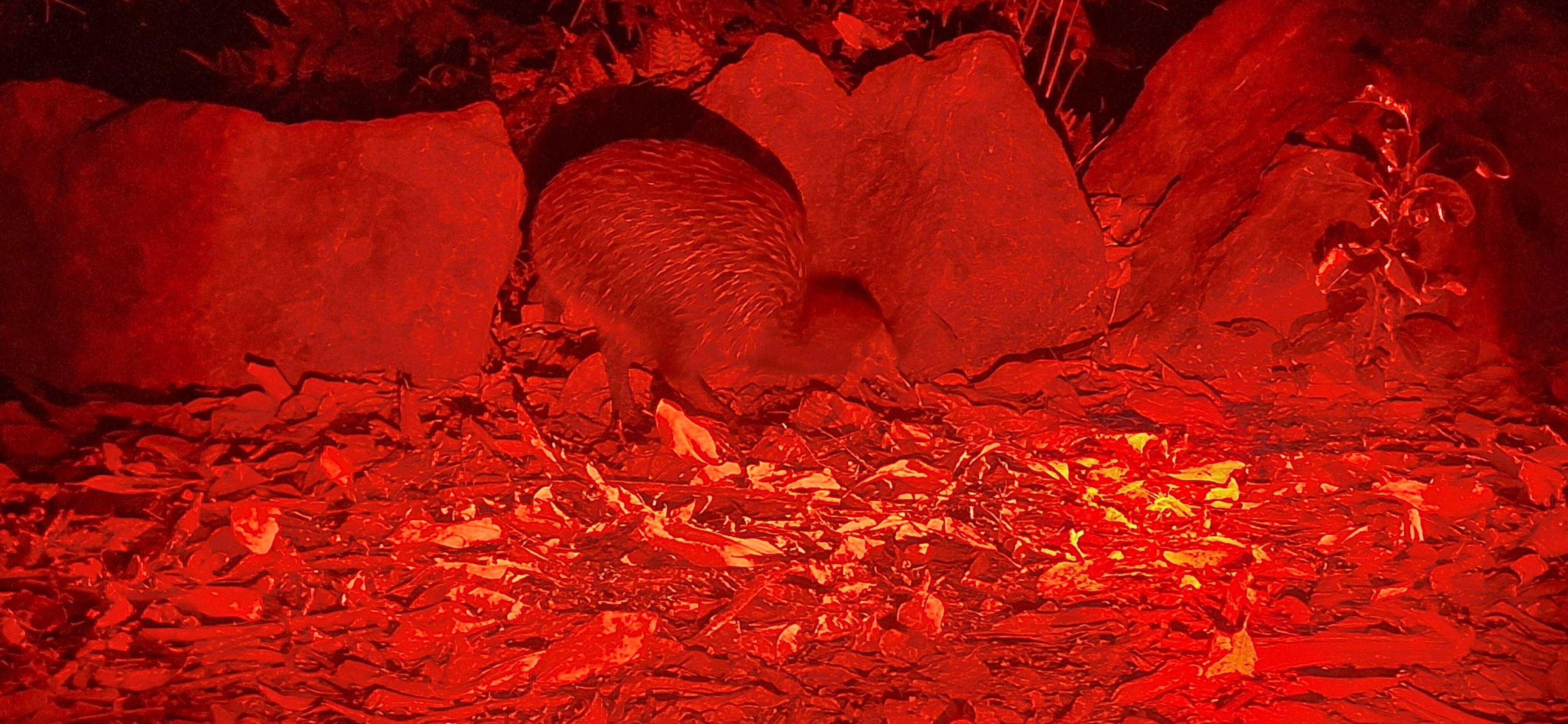
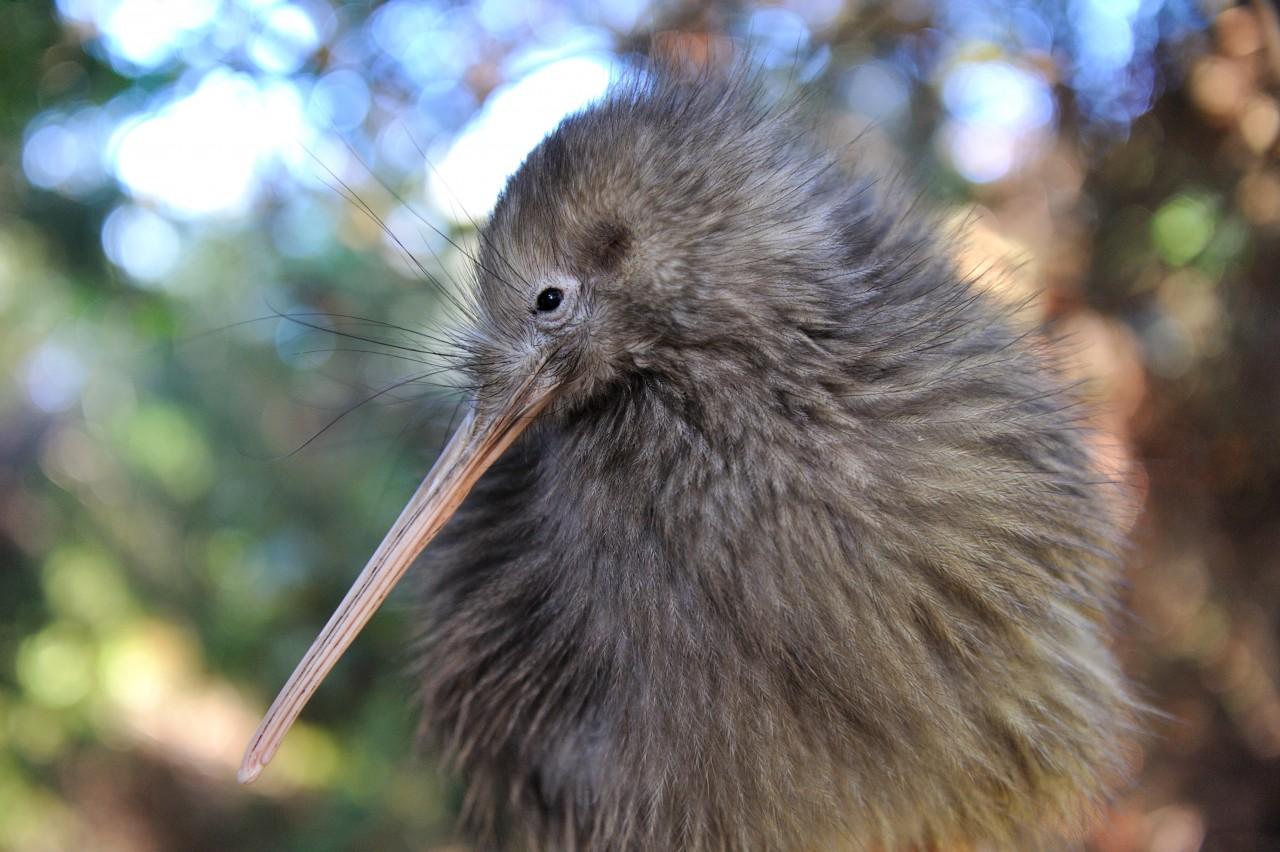
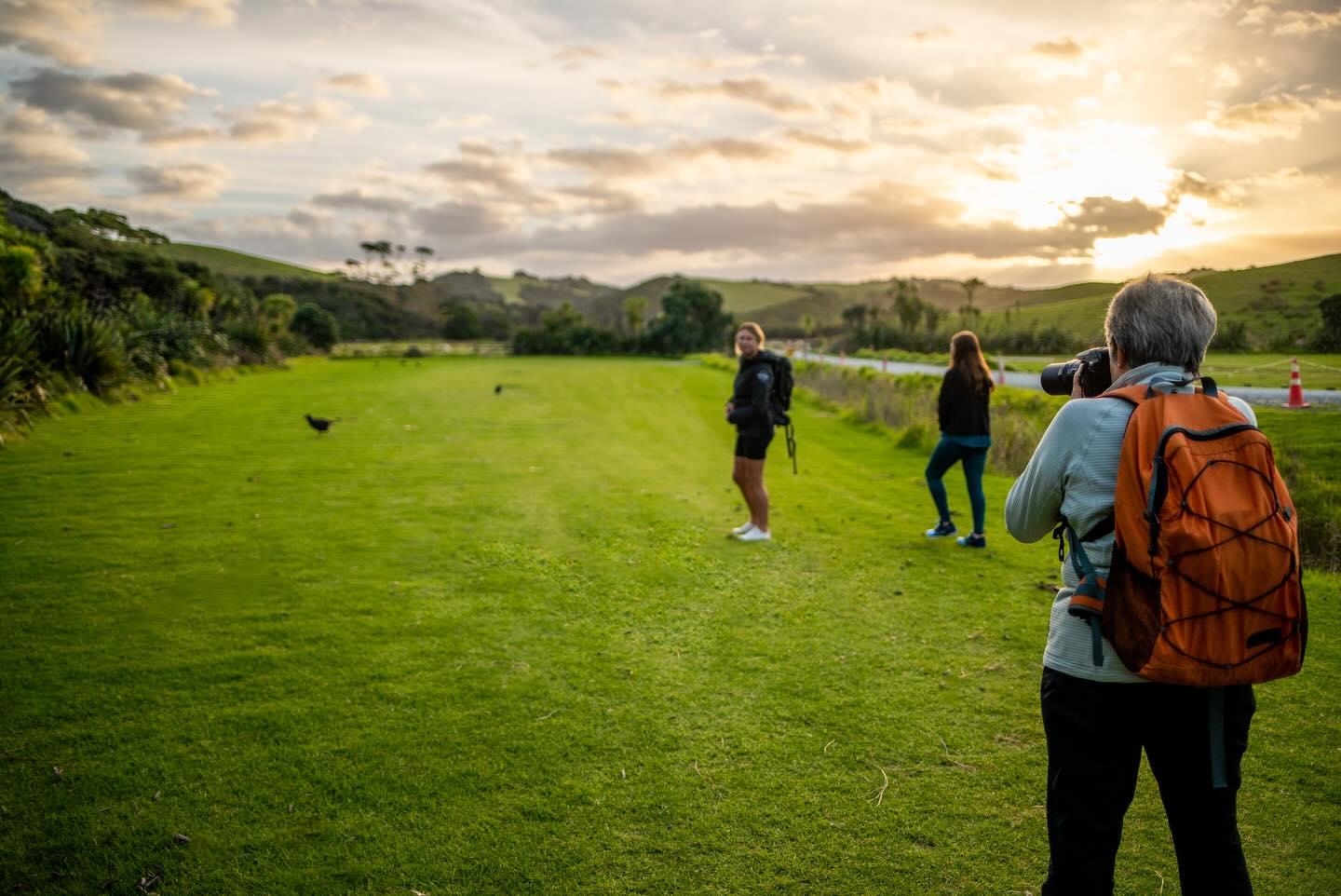
Social Nature Movement's own photographs. On the walk itself, flash photography is not allowed.
Book Your Experience
Select your preferred date and time. Free cancellation up to 24 hours before departure.
The same park and the same wild kiwi, reached three ways. Social Nature Movement's walk has by far the most reviews, and you get yourself there or add its shuttle; Auckland and Beyond Limited collects you door to door with dinner, from about $534, or by van from CBD hotels, from about $225.
| Feature | OUR PICK Wild Kiwi Bird Spotting Encounter | Kiwi Encounter & 3-Course Dinner | Kiwi Wilderness Experience (Van) |
|---|---|---|---|
| What You Pay | From about $62 per person; transport from Auckland is an add-on at checkout | From about $534 per person, with dinner and door-to-door transport | From about $225 per person, with the van from the city |
| Getting There | Drive and meet at the Anchor Bay car park, or add transport with drop-offs at the Sky Tower and SkyCity Hotel | Pickup from any Auckland hotel, airport or cruise port | Pickup from most Auckland CBD hotels |
| The Walk | About 2 hours after dark with red-light torches; the operator says tours last 2 to 3 hours | A 2-hour guided walk with red-lensed torches, hot chocolate and cookies | A guided night walk at Tāwharanui; the listing gives no length |
| Food | Not included, and there are no shops near the park; bring your own | Three-course dinner at Matakana Market Kitchen before the walk | Hot chocolate, water and light refreshments; dinner is extra |
| Who Runs It | Social Nature Movement | Auckland and Beyond Limited | Auckland and Beyond Limited |
| Reviews | 4.8 / 5 from 146 verified reviews | 5.0 / 5 from 3 verified reviews | No reviews yet |
| Minimum Group | None stated | 2 guests | 2 guests; otherwise another date or a full refund |
| What It Is Not | Not a guaranteed sighting, and not a ride unless you add one | Not a short evening: one guest wrote that seven hours flew by | Not a dinner tour; the listing says dinner can be bought during stops |
| Best For | Drivers, and anyone happy to meet a shuttle at the Sky Tower | A special night out with dinner and every leg handled | Visitors without a car who want collecting from a CBD hotel |
| Check Availability | See the Dinner Tour | See the Van Tour |
Other Ways to Spend the Night
Auckland and Beyond's kiwi walk three ways, from a self-drive meet-up to door-to-door pickup with dinner in Matakana, and Social Nature Movement's stargazing night, which is not a kiwi walk. Prices, ratings and review counts are the platform's own; the titles are the operators'.
 DINNER IN MATAKANA, DOOR TO DOOR
Step in for a once-in-a-lifetime chance to see the famous Kiwi bird in the wild, in its natural habitat.
 VAN FROM CBD HOTELS
Step into the natural world of Tāwharanui Regional Park after sunset and experience one of New Zealand’s most rewarding wildlife encounters.
 SELF-DRIVE, MIN. 4 GUESTS
Step into the natural world of Tāwharanui Regional Park after sunset and experience one of New Zealand’s most rewarding wildlife encounters.
STARGAZING, NOT A KIWI WALKEmbark on a stargazing tour in Auckland and witness the breathtaking spectacle of shooting stars.
The Independent Guide
What happens on the walk, what the odds are, the gate rule that catches out drivers, and which of the five tours fits how you're getting there.
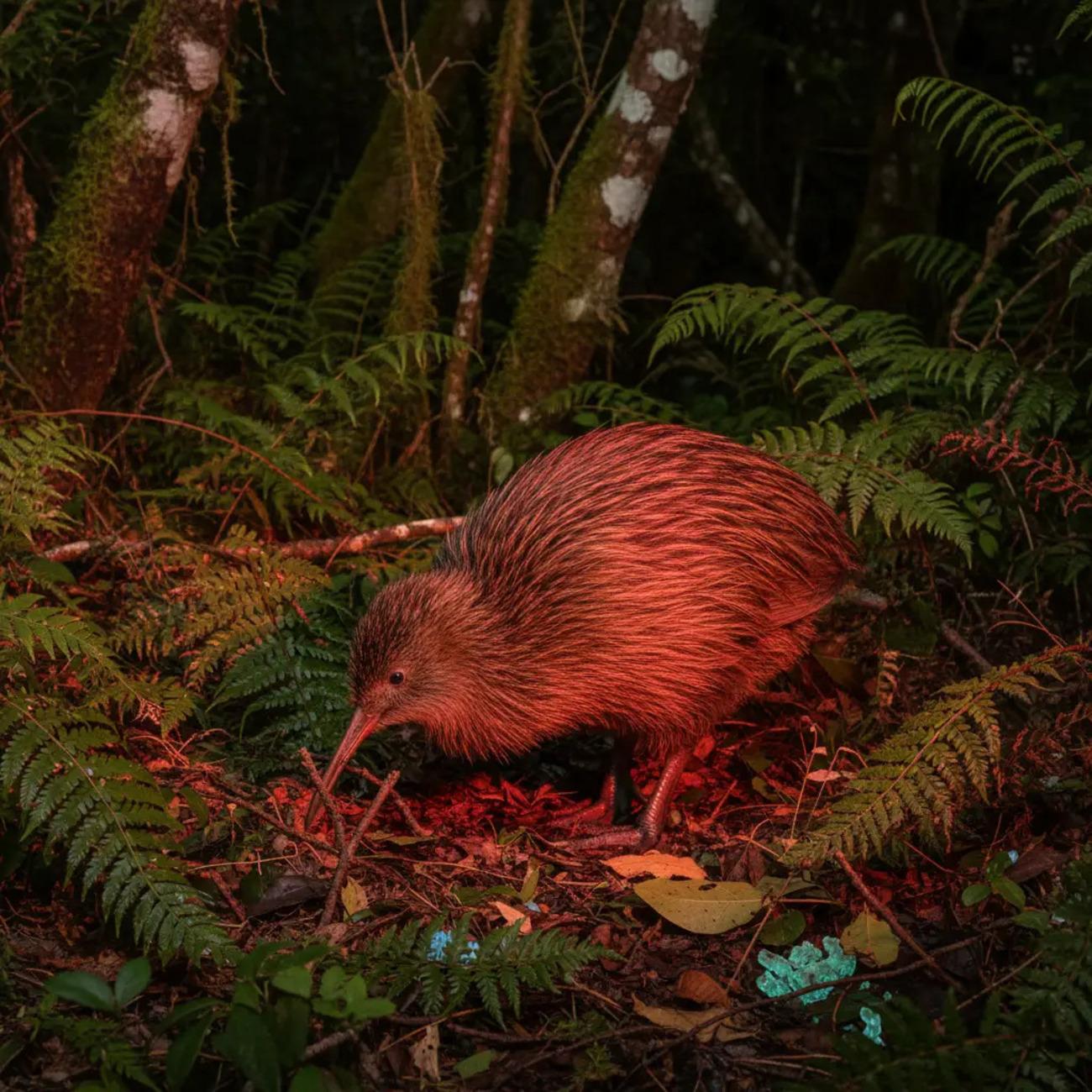
Tāwharanui Regional Park sits at the very end of Takatu Road, about 90 km and an hour and a half north of central Auckland, past Matakana. Behind a predator-proof fence that runs from coast to coast, about 300 North Island brown kiwi live wild, by the estimate of the volunteers who count their calls. With a guide, you can walk among them at night.
The walk this site recommends is Social Nature Movement’s Wild Kiwi Bird Spotting Encounter: two hours on foot after dark, rated 4.8 from 146 reviews and from about $62 on the booking platform. You meet the guide at the Anchor Bay car park inside the park, or add transport from central Auckland when you book. Nobody can promise you a kiwi, and the listing doesn’t.
The group gathers by the public toilets at the end of Takatu Road. The guide goes through the plan and the safety points, talks about the park and what lives in it, and as dusk settles you set off along the tracks, slowly. The guide listens for calls, watches for movement and looks for the small signs that a kiwi is about. You carry a red-light torch, which comes with the tour.
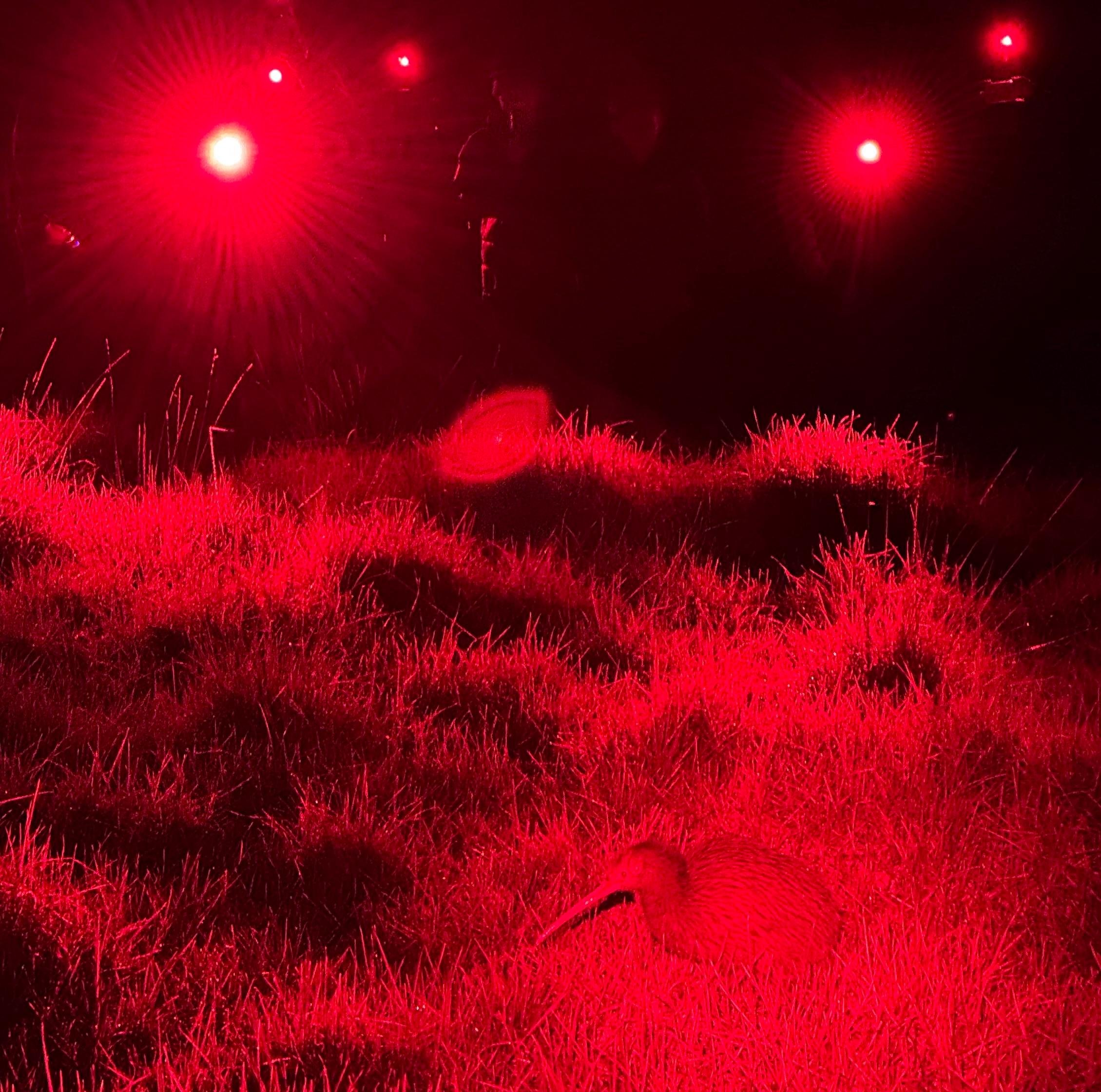
The Department of Conservation (DOC) calls red light the preferred illumination for kiwi encounters, and kiwi eyes are less sensitive to it, so it disturbs them least. They can still see it. The park’s own rules are short: red light only, no flash photography or spotlights, stay on the track, and don’t chase or follow a bird. DOC’s guidance for public encounters adds that nobody should knowingly approach a kiwi closer than 5 m, though the kiwi is free to come closer to you.
The pace is gentle. “Not difficult to walk and it is a slow pace,” one guest wrote in April 2026, and Social Nature Movement describes the walking as easy to moderate on formed tracks. The listing puts the walk at two hours. The operator’s own site says its tours last two to three hours, starting after dusk.
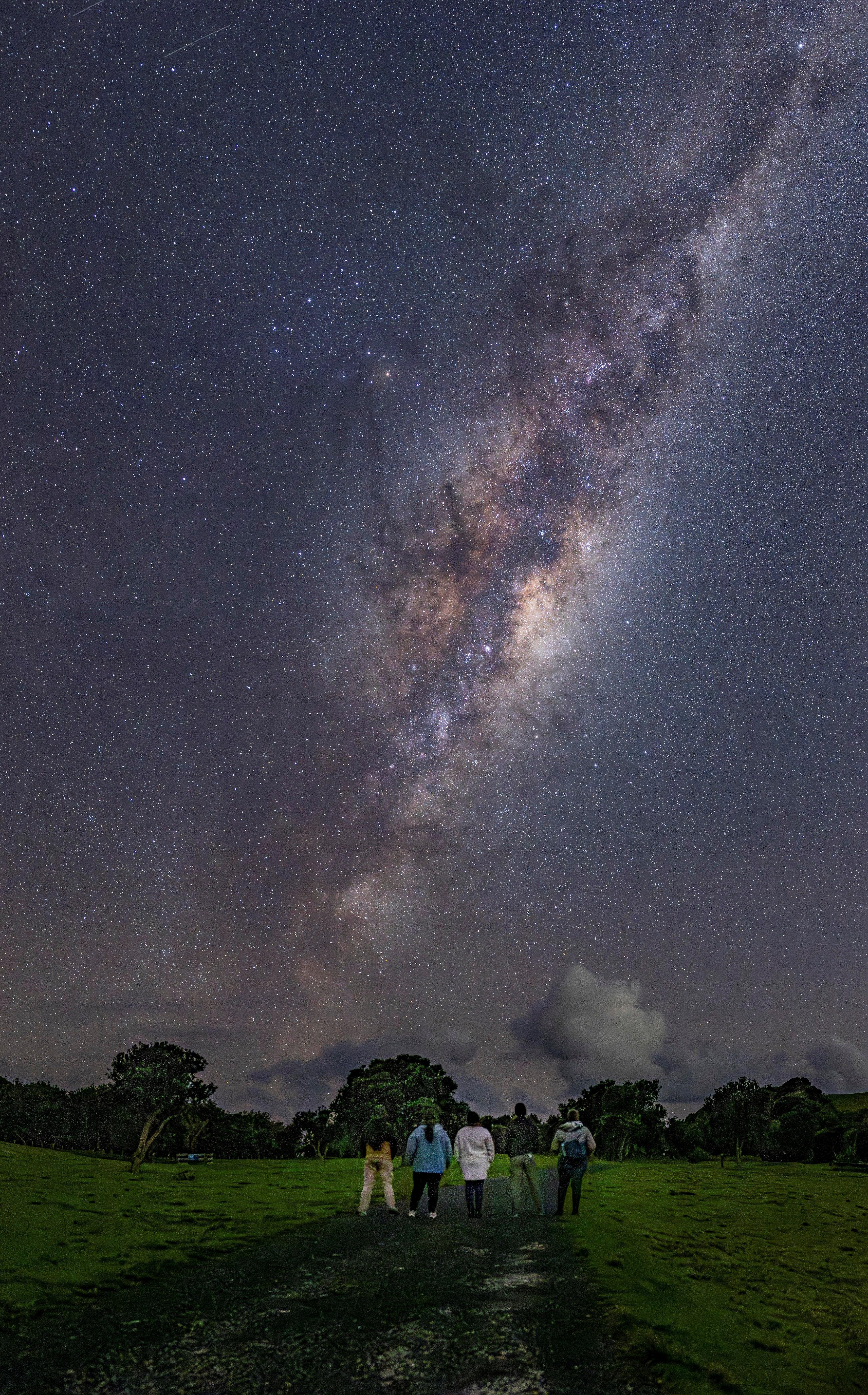
The park is at the end of a peninsula, far from Auckland’s lights, and on a clear night the guide also points out stars, planets and constellations. Ruru, the morepork owl, live in the sanctuary. On the dinner tour run by Auckland and Beyond Limited, one guest counted a morepork and a pūkeko as well as six kiwi.
No operator sold on this site publishes a success rate. TOSSI, the Tāwharanui Open Sanctuary Society, which works on the sanctuary jointly with Auckland Council, prints “sightings not guaranteed” on its own volunteer walks. Its figure of about 300 kiwi comes from counting calls over four nights each June, a method it calls “not an exact science”.
Guest reviews show the range. Seven of the eight recent reviews of the Social Nature Movement walk that we read in October 2026 give a number: one, two, three, four, five, five and eleven kiwi. On the one-bird night, the guide “tried his best for hours to find a kiwi. But he finally found one in the last 20 minutes”.
Weather rules some nights out before you set off. Social Nature Movement doesn’t run in wind above 10 m/s or rain above 2.4 mm, and all five tours on this site can be cancelled free up to 24 hours ahead.
How kiwi spotting at Tāwharanui works follows a night step by step, and is the Tāwharanui kiwi tour worth it? weighs the price against the chance.
Tāwharanui is a 588-hectare regional park and New Zealand’s first integrated open sanctuary, where farming, public recreation and the conservation of native species share one peninsula. The predator-proof fence, 2.5 km long, was finished in 2004, partly paid for by TOSSI.
In November 2006 fifteen young kiwi were released there, the first North Island brown kiwi on the Auckland mainland in around 60 years, and 25 more followed in November 2007. All of them came through Operation Nest Egg, from wild Northland stock: chicks hatched away from stoats and kept on a predator-free island crèche until they weighed about 1,200 g, large enough to fend one off.
“Pest-free” here means managed, not sealed. Auckland Council keeps the park that way with eradication and monitoring: tracking tunnels and cameras find incursions, and trapping and species-trained tracker dogs deal with them. Incursions have been few, but they have happened. The sanctuary is also open to the public, with free parking, and sheep and cattle graze its pasture. The kiwi have done well enough that some now live outside the fence.
Bellbirds came back on their own from Little Barrier Island in 2005 and are now the most numerous bird in the park. Takahē, pāteke, tīeke and kākāriki were brought in. The Tāwharanui Regional Park guide covers the beaches, tracks and campground.
The drive is State Highway 1 north to Warkworth, then on to Matakana, right at the Ōmaha turn-off onto Takatu Road, and about 13 km to its end. Allow an hour and a quarter to an hour and a half each way from central Auckland. There are no shops or cafés anywhere near the park, so eat first or bring food.
If you drive, plan around the gate. The main gate at the park entrance opens at 6am and closes at 9pm during daylight saving, which runs from 27 September 2026 to 4 April 2027, and at 7pm the rest of the year. Nobody gets in after it shuts, and a combination code won’t open it. Leaving is easy, because the exit opens by itself at any hour. So be through the gate before closing time, even if your walk starts later, and wait at the meeting point.
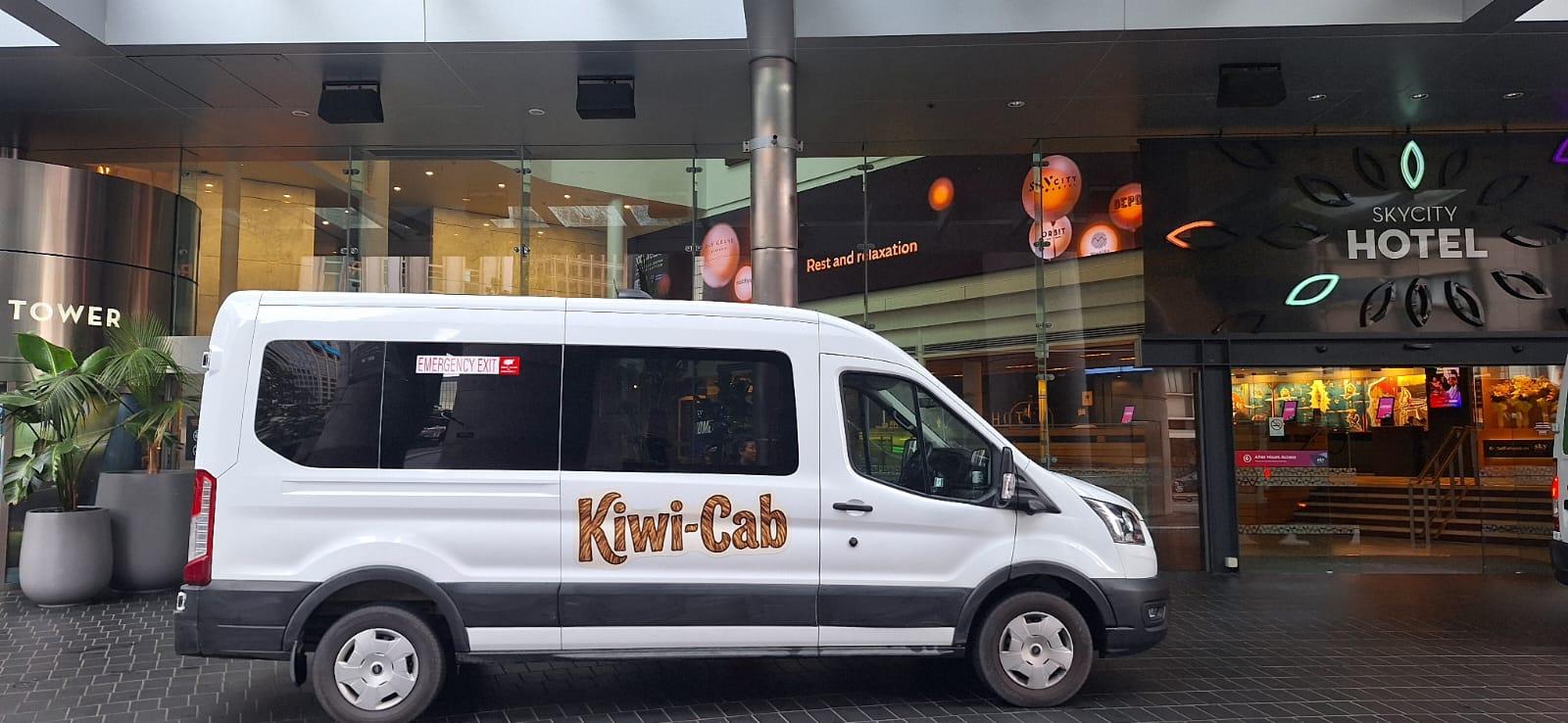
Without a car there are three options. Social Nature Movement sells transport as an add-on at checkout, with drop-offs at the Sky Tower and the SkyCity Hotel. Its own site says the shuttle meets at the Sky Tower an hour and three-quarters before the walk and takes an hour and a quarter each way, so you’re back in the city late at night, five or six hours after you left. Auckland and Beyond collects you instead, either by van from most Auckland CBD hotels on its Kiwi Wilderness Experience, or from any Auckland hotel, airport or cruise port on its dinner version, which stops for three courses at Matakana Market Kitchen, beside the Matakana River, before the walk.
Book the one that fits how you're travelling:
Meet the guide at Anchor Bay, or add transport from the Sky Tower when you book. By far the most reviewed of the five.
Check dates →Collected from most Auckland CBD hotels and brought back after the walk. Runs with at least two guests.
See the van tour →Pickup from any Auckland hotel, airport or cruise port, dinner in Matakana, then the walk with red-lensed torches.
See the dinner tour →Prices, ratings and review counts from our October 2026 data check; operators use seasonal pricing, so treat them as the shape of the market, not a quote.
Auckland and Beyond also sells its walk as a self-drive meet-up, from about $56, the lowest price of the five. It runs only with at least four guests, otherwise you’re offered another date or a full refund, and it meets outside a toilet block at a different spot from Social Nature Movement’s, so check the meeting point on your booking. The self-drive listing has the details.
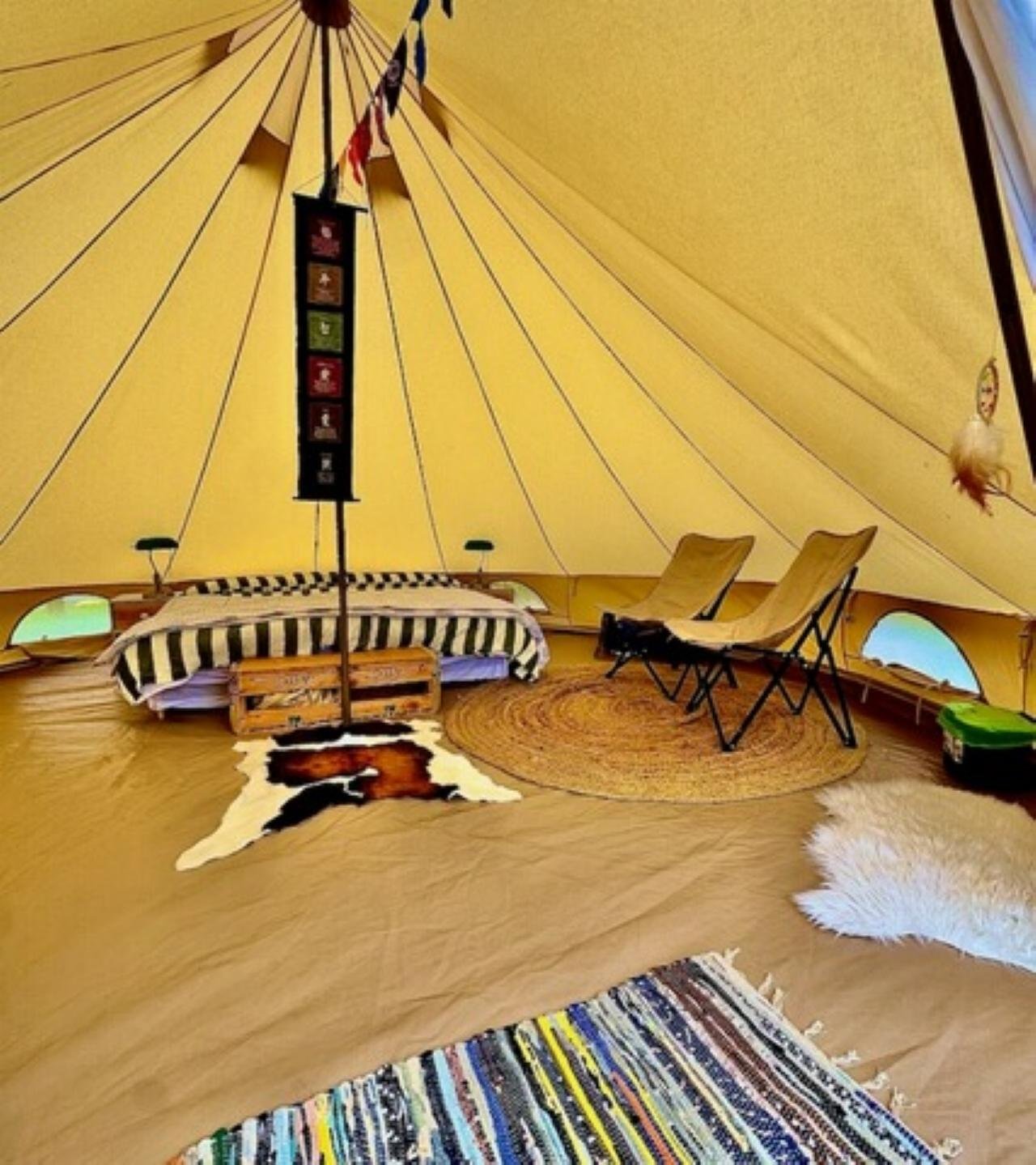
If you’d rather not drive back to the city in the dark, the main walk’s listing has an option with a glamping stay in Social Nature Movement’s bell tents. The campsite booking and its fees are separate, with Auckland Council. Its Tāwharanui campground is open all year, and the Council says it is one of the most popular in its regional parks, so book early for summer.
The operator’s list is short: comfortable shoes, warm clothing and water. Add food, because there is nowhere to buy it near the park. The guided walks supply red torches. If you ever go looking on your own, put red cellophane over your torch, keep quiet and leave the flash off.
Two park rules are worth knowing before you set out: no dogs or other animals anywhere in the park, not even left in the car, and no drones.
No operator on this site publishes a minimum age. Families do go: one review describes grandparents in their mid-70s on the Social Nature Movement walk with two nine-year-old grandsons, who saw three kiwi.
Social Nature Movement also runs a stargazing tour from the same Anchor Bay car park. It lasts an hour and a half, uses an 8-inch Newtonian telescope, and comes with Māori star stories, hot chocolate, a fleece blanket and snacks. Tours are timed around the new moon, and the listing names May to September as the best months for viewing. It is rated 5.0 from 7 reviews, from about $62.
It is not a kiwi walk, and its listing never mentions kiwi. Tāwharanui has no dark-sky accreditation either; it is dark because it is a long way from city lights. Kiwi spotting and stargazing explains what each night gives you.
Kiwi are out all year, and Social Nature Movement runs year-round, weather permitting. Because the walk begins once it is properly dark, it starts later in summer and earlier in winter. Save the Kiwi says the best time to listen for kiwi is on a moonless night, up to two hours after dark, and just before dawn. We found no source that ranks the months for sightings. The best time to see kiwi has the detail.
A night at Tāwharanui is a chance to meet a wild bird on its own terms. If seeing a kiwi matters more to you than seeing a wild one, Auckland Zoo’s nocturnal house, Te Pō, switches day and night so that its North Island brown kiwi are active in the daytime. Tiritiri Matangi is a fine day out for birds, but its little spotted kiwi come out after the day ferry has left, so you need one of the island’s 15 bunks to look for them. Where to see kiwi near Auckland compares the options.
If you have a car, or don’t mind meeting a shuttle at the Sky Tower, book Social Nature Movement’s walk. If you’d rather be collected from your hotel, Auckland and Beyond’s van tour does that from about $225, and its dinner version turns it into a whole evening. Whichever you pick, go for a night in a dark sanctuary and the chance of a kiwi, not the promise of one.
Guest Reviews
"Great tour. We learned a lot about Auckland, volcanos and Kiwis. We got to see 5 of them. There were even some special moments when two of them were fighting. Ledgend and Chris did a very good job in explaining and finding kiwis! Totally worth it!"
"Our Guide, Chris tried his best for hours to find a kiwi. But he finally found one in the last 20 minutes on the trails on the nature preserve! Brand new vans for transport and incredible views all the way to the peninsula. That’s just the way nature is. Sometime you are 10, sometime none. But Chris was a very knowledgeable guide and very professional. I would book this trip if I ever. One back to NZ!"
"This was an excellent tour and Paz was an exceptional guide! We were lucky to spot 4 kiwis on the night - 1 female, 2 males and a juvenile - all relatively close and happy to go about there business for a minute or two while we watched before heading into thicker bush. I'd highly recommend it."
"The tour was really enjoyable and a unique experience. Our tour guide was super friendly and knowledgeable. We spotted 2 kiwis really up close."
"It was really amazing to see the kiwis in the wild. The guide is very nice and very good in spotting them, she found five kiwis and showed us so that everyone could enjoy without disturbing the birds."
"Everything was excellent and Ryan our guide did a perfect job at explaining everything we needed to know. We saw 11 kiwis in total"
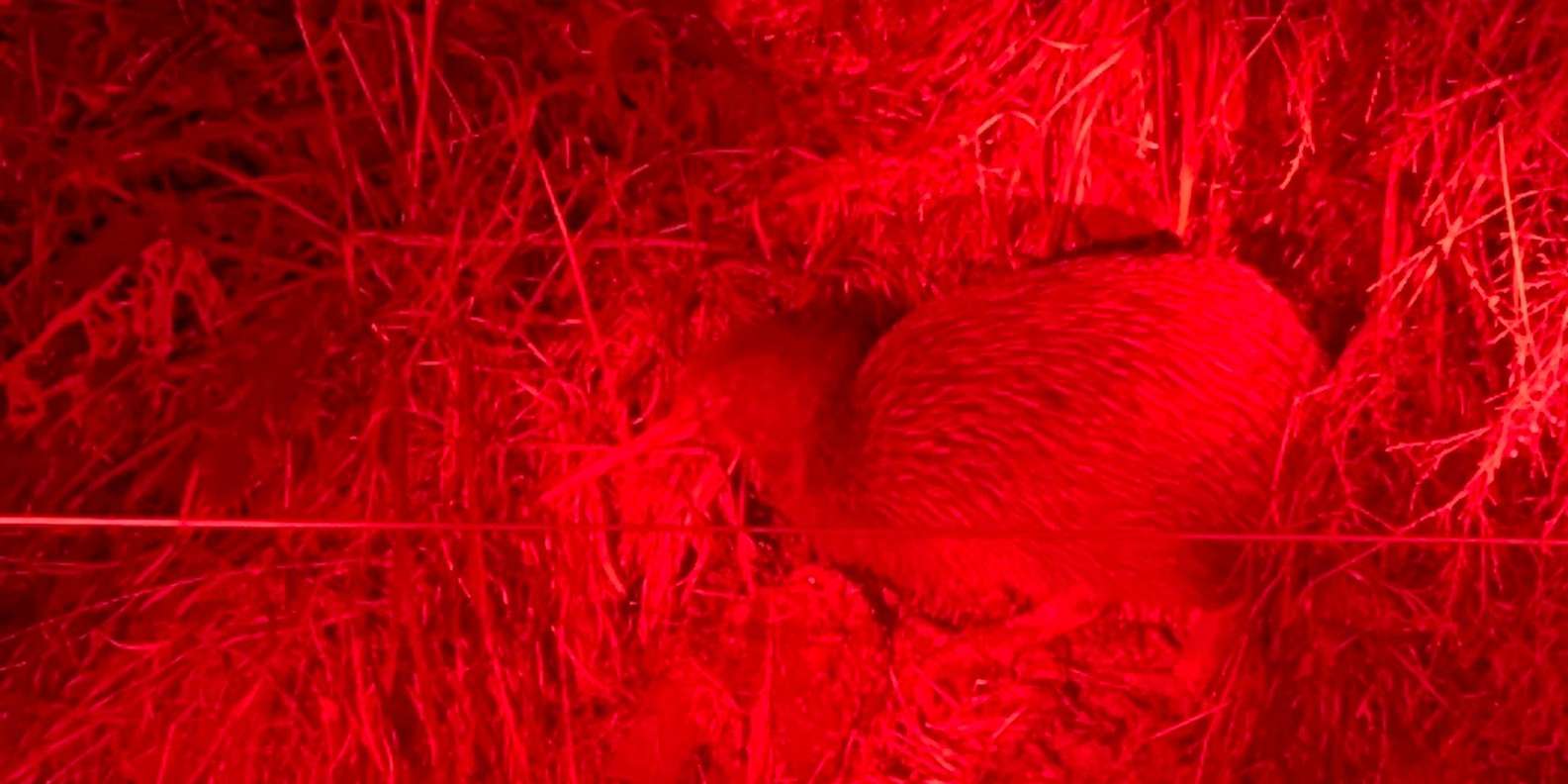
"We spotted three kiwi and the info we received about the history of the park and the facts about kiwis was wonderful. The tour started on time and it was very social and fun. Not difficult to walk and it is a slow pace. You use a torch with a red light to spot the kiwis because they can’t see red light. Definitely Recommend!!"
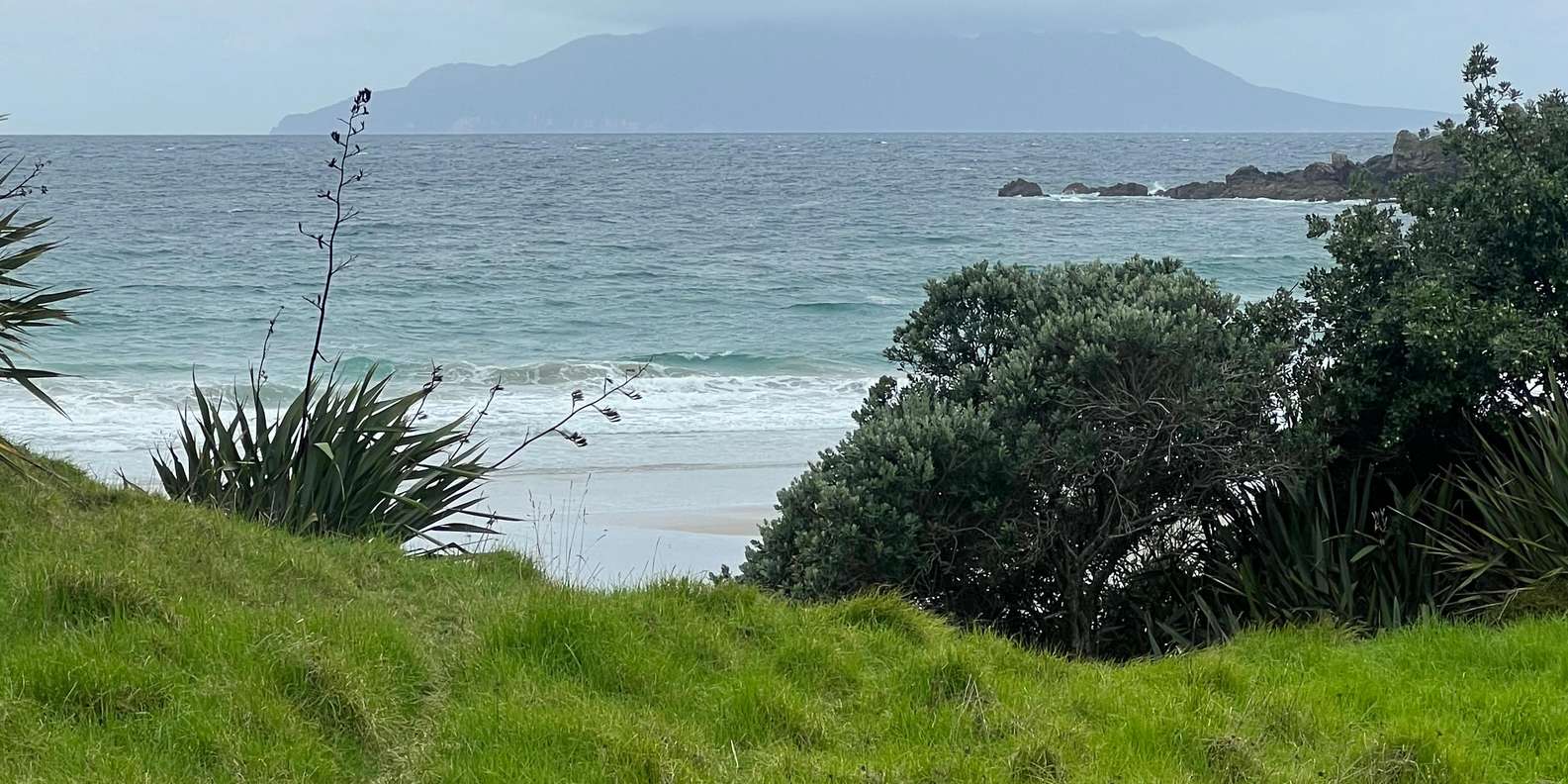
"I booked this tour for my parents after having done one myself - and they had the absolute best time. They said their tour guide Paz was amazing and super informative and made their journey so special."
Read all 146 verified reviews
See All ReviewsTwo hours on foot after dark in Tāwharanui's pest-free open sanctuary, with a guide who listens for calls and red-light torches for everyone. Rated 4.8/5 from 146 verified reviews, with free cancellation up to 24 hours before. Meet at the Anchor Bay car park, or add transport from central Auckland when you book. The kiwi are wild, so a sighting is never guaranteed. Starting from $62 per person.
Check Availability & BookCan't Make These Dates?
More tours nearby from the booking platform. Check each one's cancellation terms before you book.
What people ask about seeing kiwi near Auckland, answered in the first sentence and backed up in the rest.
Yes: wild at Tāwharanui Regional Park, about 90 km north of the city, and captive at Auckland Zoo. About 300 North Island brown kiwi live at Tāwharanui by the sanctuary society's estimate, and guided night walks go looking for them, with no guarantee of a sighting. Shakespear Regional Park has about 20 little spotted kiwi, Tiritiri Matangi's kiwi need an overnight stay, and the zoo's nocturnal house shows its kiwi by day. Where to see kiwi near Auckland.
It depends whether you want a wild kiwi or a sure sighting. Near Auckland, the wild choice is Tāwharanui, a pest-free open sanctuary where North Island brown kiwi have lived since 2006, about 300 of them by the sanctuary society's estimate. Guided walks go out after dark, and nobody guarantees a bird. For a sure look, a nocturnal house such as Auckland Zoo's Te Pō switches day and night so you can watch kiwi by day. This site covers the Auckland region and doesn't rank the rest of the country.
All year, after dark, because kiwi are largely nocturnal. Save the Kiwi says the best time to listen for them is on a moonless night, up to two hours after dark, and just before dawn. At Tāwharanui, Social Nature Movement runs its kiwi walk year-round, weather permitting, starting after dusk, so it starts later in summer than in winter. We found no source that ranks the months for sightings. The best time to see kiwi.
We found no reliable national count that ranks places, so we won't name one. Around Auckland, the published figures are these. Tāwharanui has about 300 North Island brown kiwi, an estimate the sanctuary society makes by counting calls each June and calls "not an exact science". Shakespear Regional Park has about 20 little spotted kiwi, released from 2017, and Motuihe Island has a small population of them. At Tāwharanui the kiwi have done well enough that some now live outside the fence.
For young kiwi it is the stoat, which is why chicks are raised away from them. Operation Nest Egg, which supplied Tāwharanui's first kiwi, hatches chicks away from stoats and keeps them on a predator-free island crèche until they weigh about 1,200 g, large enough to fend one off. At Tāwharanui a 2.5 km predator-proof fence keeps pests out, and tracking tunnels, cameras, trapping and tracker dogs deal with the occasional incursion. Visitors are asked to check their car and gear for pests.
A kiwi park or nocturnal house is worth it if seeing a kiwi matters more to you than seeing a wild one. At Auckland Zoo's Te Pō, day and night are switched so its North Island brown kiwi are active while you visit, and Butterfly Creek keeps two in its Kiwi Forest. Those birds are captive, and Te Pō is dark inside, so give your eyes time. A night at Tāwharanui is the other experience: wild birds, red light and no guarantee. Wild and captive kiwi near Auckland.
In the daytime: a nocturnal kiwi house switches day and night so the birds are awake while you visit. Auckland Zoo designed Te Pō so its kiwi can be fully nocturnal during our daytime. It is dark inside, so take your time and let your eyes adjust, and no flash photography or video is allowed. Wild kiwi are the opposite: at Tāwharanui you go out after dark, ideally on a moonless night in the first two hours of darkness. See dates for the wild kiwi walk.
About 90 km north of central Auckland: allow an hour and a quarter to an hour and a half each way. Take State Highway 1 to Warkworth, carry on to Matakana, turn right at the Ōmaha turn-off and follow Takatu Road about 13 km to its end. There are no shops or cafés nearby, so bring food. Without a car, add Social Nature Movement's transport from the Sky Tower when you book, or take an Auckland and Beyond tour with hotel pickup. The Tāwharanui Regional Park guide.
At 9pm during daylight saving (27 September 2026 to 4 April 2027) and at 7pm the rest of the year; it opens at 6am. Nobody is let in after closing, and combination codes don't open the main gate. The exit gate opens automatically at any hour, so leaving after a late walk is never a problem. If you are driving to an evening tour, be through the gate before it closes, even if the walk starts later, and wait at the meeting point.
No. The kiwi are wild, and no operator sold on this site guarantees a sighting. The sanctuary society estimates about 300 kiwi in the park, and recent guests on Social Nature Movement's walk reported anything from one bird, found in the last 20 minutes, to eleven in a night. A guest on Auckland and Beyond's dinner tour, who saw six, put it plainly: "To those thinking you are guaranteed to find kiwis on this trip, you're not!" Is the kiwi tour worth it?
About two hours on foot, at a slow pace on formed tracks. Social Nature Movement's listing gives the walk as two hours, its own site says tours last two to three hours starting after dusk, and it describes the walking as easy to moderate and suitable for most fitness levels. With its shuttle from the Sky Tower, allow five to six hours from pickup to drop-off. Auckland and Beyond's dinner tour doesn't take non-folding wheelchairs. Check dates for the walk.
Warm clothing, comfortable shoes and water, which is the operator's own list. Bring food too, because there is nowhere to buy it near the park. The guided walks provide red torches; on your own, cover a torch with red cellophane. Keep noise down and leave the flash off. Leave dogs at home: animals are banned from the whole park, even inside a car, and so are drones. How kiwi spotting at Tāwharanui works.
Yes, in three ways. Social Nature Movement sells transport as an add-on at checkout, with drop-offs at the Sky Tower and the SkyCity Hotel; its shuttle takes about an hour and a quarter each way. Auckland and Beyond's Kiwi Wilderness Experience collects you from most CBD hotels by van, from about $225, and its dinner tour picks up from any Auckland hotel, airport or cruise port, from about $534. Both Auckland and Beyond tours need at least two guests to run. Compare the three.
No. It is a separate stargazing night of an hour and a half, and its listing doesn't mention kiwi. Social Nature Movement runs it from the same Anchor Bay car park, with an 8-inch Newtonian telescope, Māori star stories, hot chocolate and a fleece blanket, timed around the new moon; the listing names May to September as the best months. Tāwharanui has no dark-sky accreditation, but it is far from city lights. Kiwi spotting and stargazing.
Still have questions? Email us at info@tawharanuikiwitour.com